
Lancaster: (603) 788-3561
Littleton: (603) 444-2484
St. Johnsbury: (802) 748-3536
Montpelier: (802) 223-7723
Lancaster: (603) 788-3561
Littleton: (603) 444-2484
St. Johnsbury: (802) 748-3536
Montpelier: (802) 223-7723
What Are Cataracts?
- posted: Feb. 23, 2026
At Shippee Family Eye Care, P.C., our eye care clinic provides thorough evaluations and guidance for patients who want to understand cataracts and how they affect vision. With offices in Littleton, NH, Lancaster, NH, St. Johnsbury, VT, and Montpelier, VT, our eye doctors support individuals at every stage of their eye health journey. Many people first notice subtle changes in clarity or brightness before realizing a cataract is forming. For anyone searching for an eye doctor near you, learning the basics of cataracts can help you recognize symptoms early and seek appropriate care.
Understanding What Cataracts Are
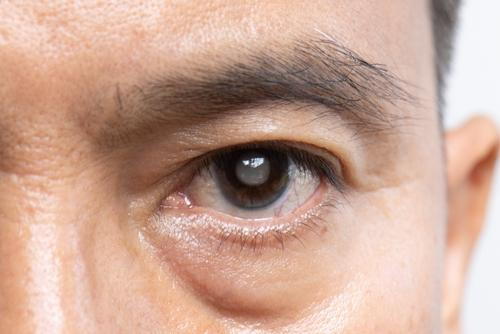
Cataracts occur when the natural lens of the eye becomes cloudy, reducing the amount of light that reaches the retina. This clouding typically develops slowly, making early symptoms easy to overlook. Most cataracts form as part of the natural aging process, though they can also result from injury, medication use, or certain medical conditions. Our eye doctors evaluate the lens during routine exams to identify early signs of clouding. Early detection allows for better monitoring and timely treatment when needed.
Common Symptoms Patients May Notice
Many individuals with cataracts experience blurred or hazy vision that does not improve with updated prescriptions. Colors may appear duller, and bright lights may cause glare or halos, especially when driving at night. Some people find it harder to read in low light or notice frequent changes in their glasses prescription. These symptoms often progress gradually, making regular exams essential for accurate diagnosis. Our eye care clinic uses advanced imaging to track changes and determine how cataracts are affecting daily activities.
How Cataracts Affect Daily Life
As cataracts progress, they can interfere with tasks that require sharp vision, such as reading, driving, or recognizing faces. Increased sensitivity to light may make outdoor activities more challenging, while reduced contrast can affect depth perception. Our eye doctors discuss how these changes impact each patient’s lifestyle to determine the best management approach. While early cataracts may be managed with updated prescriptions or improved lighting, advanced cases often require surgical treatment. Understanding how cataracts influence daily routines helps guide personalized care.
Treatment Options and When Surgery Is Recommended
Cataract surgery is the most effective treatment when clouding begins to limit daily function. During this procedure, the cloudy lens is removed and replaced with a clear artificial lens that restores sharp vision. Our eye doctors help patients decide when surgery is appropriate based on symptoms, lifestyle needs, and overall eye health. Optometry plays an important role in monitoring cataracts and coordinating care with surgical specialists. For anyone searching for an optometrist near you, professional guidance ensures that treatment is timed appropriately.
Supporting Your Vision with Professional Care
Shippee Family Eye Care, P.C. is dedicated to helping patients understand cataracts and receive the care they need across our locations in Littleton, NH, Lancaster, NH, St. Johnsbury, VT, and Montpelier, VT. Our eye doctors provide thorough evaluations, personalized recommendations, and access to our surgical center when treatment becomes necessary. Whether you are noticing early symptoms or seeking long term management, our eye care clinic is here to support your vision. Call Shippee Family Eye Care, P.C. today to schedule your visit and take the next step toward clearer sight.
- posted: Feb. 23, 2026
At Shippee Family Eye Care, P.C., our eye care clinic provides thorough evaluations and guidance for patients who want to understand cataracts and how they affect vision. With offices in Littleton, NH, Lancaster, NH, St. Johnsbury, VT, and Montpelier, VT, our eye doctors support individuals at every stage of their eye health journey. Many people first notice subtle changes in clarity or brightness before realizing a cataract is forming. For anyone searching for an eye doctor near you, learning the basics of cataracts can help you recognize symptoms early and seek appropriate care.
Understanding What Cataracts Are
Cataracts occur when the natural lens of the eye becomes cloudy, reducing the amount of light that reaches the retina. This clouding typically develops slowly, making early symptoms easy to overlook. Most cataracts form as part of the natural aging process, though they can also result from injury, medication use, or certain medical conditions. Our eye doctors evaluate the lens during routine exams to identify early signs of clouding. Early detection allows for better monitoring and timely treatment when needed.
Common Symptoms Patients May Notice
Many individuals with cataracts experience blurred or hazy vision that does not improve with updated prescriptions. Colors may appear duller, and bright lights may cause glare or halos, especially when driving at night. Some people find it harder to read in low light or notice frequent changes in their glasses prescription. These symptoms often progress gradually, making regular exams essential for accurate diagnosis. Our eye care clinic uses advanced imaging to track changes and determine how cataracts are affecting daily activities.
How Cataracts Affect Daily Life
As cataracts progress, they can interfere with tasks that require sharp vision, such as reading, driving, or recognizing faces. Increased sensitivity to light may make outdoor activities more challenging, while reduced contrast can affect depth perception. Our eye doctors discuss how these changes impact each patient’s lifestyle to determine the best management approach. While early cataracts may be managed with updated prescriptions or improved lighting, advanced cases often require surgical treatment. Understanding how cataracts influence daily routines helps guide personalized care.
Treatment Options and When Surgery Is Recommended
Cataract surgery is the most effective treatment when clouding begins to limit daily function. During this procedure, the cloudy lens is removed and replaced with a clear artificial lens that restores sharp vision. Our eye doctors help patients decide when surgery is appropriate based on symptoms, lifestyle needs, and overall eye health. Optometry plays an important role in monitoring cataracts and coordinating care with surgical specialists. For anyone searching for an optometrist near you, professional guidance ensures that treatment is timed appropriately.
Supporting Your Vision with Professional Care
Shippee Family Eye Care, P.C. is dedicated to helping patients understand cataracts and receive the care they need across our locations in Littleton, NH, Lancaster, NH, St. Johnsbury, VT, and Montpelier, VT. Our eye doctors provide thorough evaluations, personalized recommendations, and access to our surgical center when treatment becomes necessary. Whether you are noticing early symptoms or seeking long term management, our eye care clinic is here to support your vision. Call Shippee Family Eye Care, P.C. today to schedule your visit and take the next step toward clearer sight.